
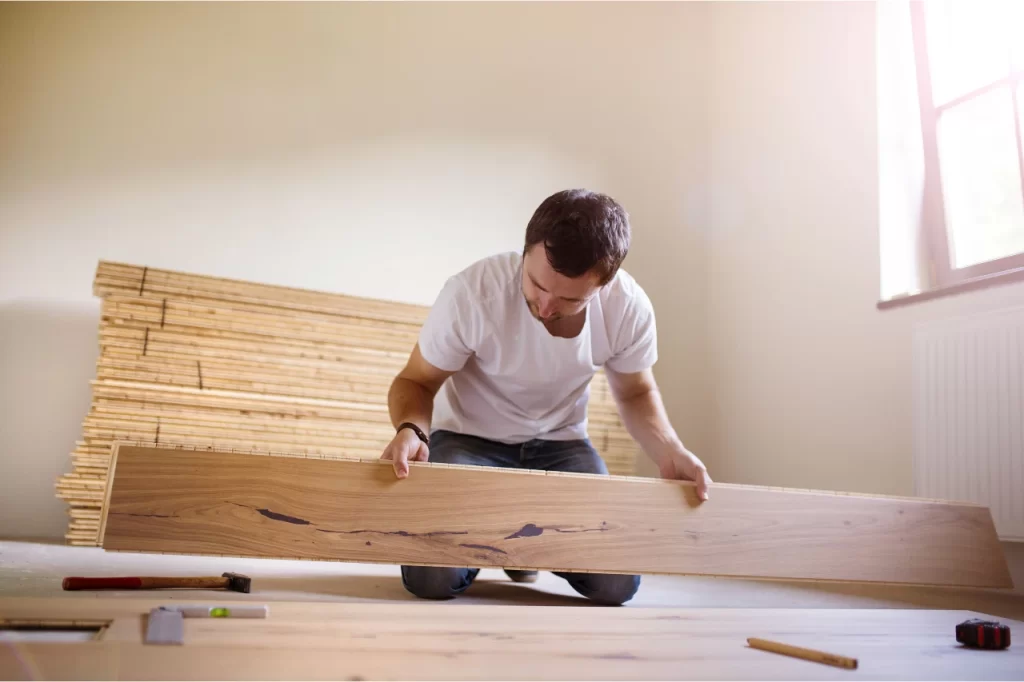
How to Repair Wooden Floors
Learning how to repair wood floors helps homeowners fix scratches, dents, gaps, and surface damage without expensive professional services, making it easier to maintain strong and attractive flooring at home. It explains simple DIY methods, essential tools, and step-by-step repair techniques to restore worn wooden floors effectively. Designed for wood floor repair in the UK, it covers practical solutions for common damage and helps you decide when repairs are enough or when board replacement is needed.
This guide will help you bring your floors back to a smooth, clean, and polished finish with minimal effort.

Common Wood Floor Problems in UK Homes
Wood floors in UK homes often develop issues from daily use and changing weather conditions. Scratches from furniture and pets are common and may require wood floor repair solutions in the UK. Seasonal movement can create gaps between boards, linked to hardwood floor maintenance needs. Moisture exposure may cause warping or uneven surfaces, sometimes requiring techniques for fixing warped wood floors. Many homes also face creaky or loose boards due to subfloor movement, often resolved through floorboard repairs in UK homes and general home flooring repair solutions.
Tools & Materials You’ll Need
Before starting any wood floor repair project in the UK, it’s important to gather the right tools and materials. Key tools and materials include wood filler to repair cracks and small gaps, sandpaper or an electric sander to smooth damaged areas, and floor polish or sealant to restore shine while protecting the surface. In more severe cases, replacement planks may be required for damaged hardwood flooring sections that cannot be repaired. Having these items ready ensures smooth DIY wood floor repair and supports proper hardwood floor maintenance while helping you achieve professional results without expert help.
Essential tools: putty knives (flexible and stiff), sandpapers of various grits (coarse for removal, fine for finishing), nails or wood screws, and the right filler (water-based, epoxy, or wood-specific). Safety gear is non-negotiable—use goggles, gloves, and a dust mask to work safely.
How to Fix Scratches on Wood Floors
Scratches are a common issue in wood floor repair in the UK, ranging from light surface marks to deeper damage. Knowing how to fix scratches on wood floors helps preserve their appearance and support long-term hardwood floor maintenance without full replacement.
Light Surface Scratches
- Use wood polish or a repair marker to handle minor damage as part of home flooring repair solutions.
- Buff the surface gently to restore shine and improve overall wood floor restoration tips results.
- Clean the area first to ensure better adhesion and finish during DIY wood floor repair.
- Repeat light polishing if scratches are still visible for better surface blending.
Deep Scratches
- Fill deep scratches using the best wood filler for floors to level uneven areas.
- Let the filler dry fully before sanding to ensure smooth and effective wood floor sanding and refinishing results.
- Sand the repaired area carefully to blend with the surrounding floorboards.
- Apply sealant or polish to restore protection and finish the repair process.
How to Repair Gaps Between Floorboards
Gaps between floorboards are a common issue caused by humidity changes, aging timber, and seasonal movement in UK homes. These gaps can often be repaired using flexible filler or wooden slivers, depending on the severity of the damage. In many cases, using the right approach helps restore a smooth finish while maintaining the wood’s natural movement. However, very small seasonal gaps may be left as they allow expansion and prevent further structural issues, supporting long-term hardwood floor maintenance and stability.
Fixing Water-Damaged or Warped Wood Floors
Water damage can cause wood floors to swell, warp, or lose their original shape, often making the repair process more challenging. The first step is a proper drying process to stop further damage and stabilise the boards. For minor warping, sanding can restore the surface, while severe cases may require replacing boards as part of wood floor repair solutions. Preventing future damage involves controlling moisture levels, fixing leaks quickly, and using protective finishes to maintain long-term floor strength and appearance.
How to Stop Creaky Floorboards
Creaky floorboards are a common issue in older homes and usually occur due to movement between loose boards and the subfloor. The most effective solution is to secure loose boards properly so they no longer shift under pressure. In many cases, using screws instead of nails provides a stronger, longer-lasting fix by improving stability and reducing movement. Adding insulation beneath the flooring also helps minimise friction and movement, reducing noise while supporting effective floorboard repairs and long-term floor stability.
When You Need to Replace a Floorboard
Floorboard replacement becomes necessary when damage is beyond repair, especially in repairing floorboards in UK homes, where cracks, rot, or structural weakness cannot be fixed with surface methods. Signs include deep splits, movement, or failure of wood filler techniques to restore stability. The process involves removing the damaged board, preparing the subfloor, and fitting a new plank as part of home flooring repair solutions. Matching existing flooring is important to maintain a consistent finish and support proper hardwood floor maintenance and long-term durability of the entire floor system.
Sanding & Refinishing – Bringing Floors Back to Life
Sanding and refinishing are essential when wooden floors become dull, scratched, or worn, and simple cleaning is no longer effective. Knowing when to refinish helps determine if the surface needs light sanding or a full restoration. Homeowners can choose between DIY refinishing for small areas or professional services for larger, more damaged floors. Selecting the right finish, such as oil or varnish, improves durability, appearance, and protection, ensuring long-lasting results and restoring the natural beauty of the flooring.
Quick Fix vs Full Restoration – What’s Right for You?
Choosing between a quick fix and full restoration depends on damage level, budget, and long-term goals when dealing with worn wooden floors and hardwood floor maintenance. Small surface issues like minor scratches or dullness can often be handled with quick fixes such as polishing or spot sanding, which save time and cost. However, heavily worn or uneven floors may require full restoration, including sanding and refinishing, to restore durability and appearance. The decision also depends on usage, with landlords often preferring quick repairs, while homeowners may choose long-term solutions based on practical wood floor restoration tips.
Cost of Wood Floor Repairs in the UK
Wood floor repair costs in the UK vary based on damage level and whether you choose DIY or professional help. DIY repairs are cheaper, using basic supplies like filler, sandpaper, and polish for small fixes such as scratches or gaps, making them suitable for home flooring repair solutions. Professional services cost more but are ideal for serious damage or full restoration. Materials like wood filler, sealants, and replacement boards add to expenses. DIY usually costs £20–£80, while professionals range from £150–£800+, especially for wood floor filler techniques and larger repairs.
Best Products to Repair Wood Floors
Choosing the right products is essential for achieving long-lasting results in floor restoration and improving overall hardwood floor maintenance. Wood fillers are commonly used to repair cracks, dents, and small surface damage, while repair kits offer a convenient all-in-one option for minor fixes. Finishes and sealants protect the surface and restore the original appearance of the flooring. These products are widely used in sanding and refinishing wood floor projects, helping improve durability, appearance, and long-term performance after repairs.
FAQs
- Can you repair wood flooring without sanding? Yes, minor damage like scratches or small gaps can often be fixed using fillers or polish without sanding.
- What is the best filler for wood floors? Flexible wood filler is best as it expands and contracts with natural wood movement.
- How much does wood floor repair cost in the UK? Costs typically range from £20–£80 for DIY and £150–£800+ for professional repairs.
- Can laminate flooring be repaired the same way? No, laminate usually requires surface repair kits or plank replacement instead of sanding or fillers.
- Is it cheaper to repair or replace wood flooring? Repair is usually cheaper unless the floor has severe structural or water damage.
Pro Tips to Keep Your Wood Floors Looking New
How to repair wood floors becomes less of a concern when consistent care helps prevent damage and maintain their condition over time. Using furniture pads helps prevent scratches from daily movement and protects the surface finish. Wood floor repair in the UK can often be minimised by maintaining stable indoor humidity levels, which helps prevent expansion, gaps, and long-term damage. A regular cleaning routine with suitable products helps preserve shine and durability while extending floor life.
Get in Touch Today with Tradeflooring UK for expert wood floor repair solutions, durable finishes, and professional restoration that keeps your home looking beautifully maintained.