
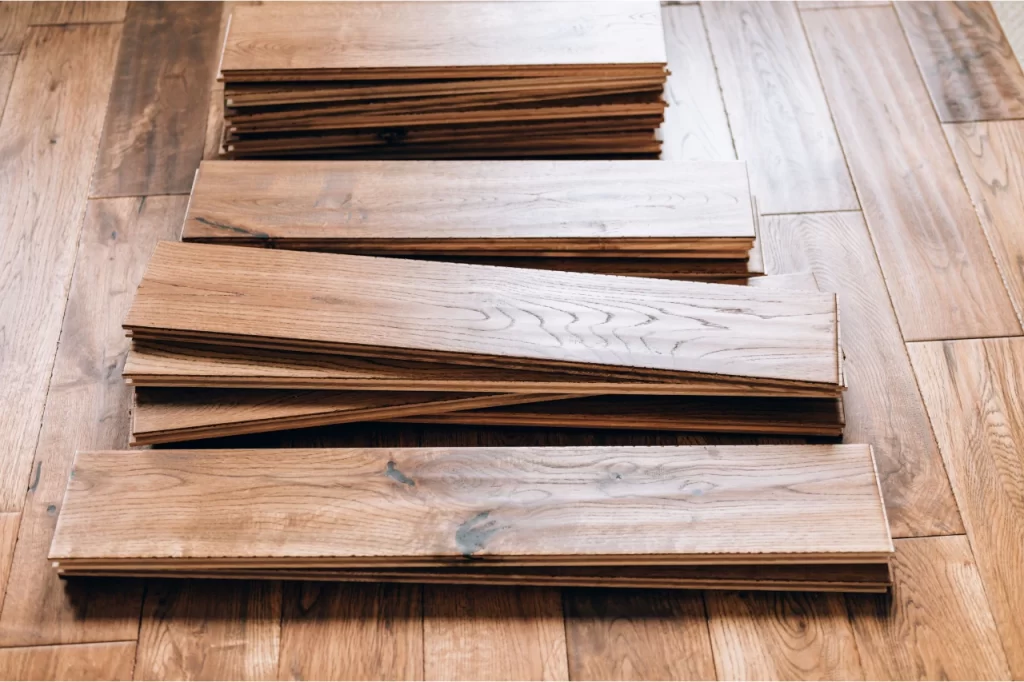
Solid wood flooring is one of the oldest and most respected flooring traditions in architectural history. Long before modern manufacturing methods existed, wide timber planks were laid in medieval halls and manor houses across Europe. Oak, elm and pine were commonly used due to their durability and local availability.
In the 17th and 18th centuries, timber flooring was refined. The planks were substituted by sawn boards instead of rough-hewn, and more rigid methods of installation were invented. Solid hardwood flooring was adopted in the grand townhouse as well as in the civic buildings of the Victorian period in Britain. The quality flooring was marked by craftsmanship and longevity.
However, even nowadays when technology has improved, the concept has not changed because solid wood flooring is produced by slicing a piece of natural wood to the required shape and size. The fact that it has always had a place in both ancient and contemporary interiors shows its trustworthiness and unrestricted popularity.
How is solid wood flooring made?
Solid wood flooring is manufactured from one complete piece of hardwood timber. Each board is cut directly from a log and milled to a consistent thickness. Unlike layered or composite flooring, it contains no synthetic core.
Because it is entirely natural wood, it can be sanded and refinished multiple times over decades. This ability to restore the surface has made it a long-term investment in homes, hotels, offices and heritage properties.
In addition to durability, solid wood flooring contributes to improved indoor environments. It attracts less dust and allergens compared to carpeted surfaces, helping to support cleaner air quality in interior spaces.
How Is Solid Wood Flooring Made?
The production of solid wood flooring begins with responsibly sourced mature trees. Sustainability is now a central focus within the timber industry, ensuring forests are carefully managed and replanted.
After harvesting the logs have been sawed into planking of the necessary thickness. To make these boards stronger, they are dried in a kiln to eliminate the surplus moisture. Precision milling forms tongue-and-groove edges to be fitted. Once shaped, sanding and finishing are done on the planks. Others are pre-finished using protective coats and others not finished so that on site sanding and sealing can be done. The end product displays the way of natural grain, colour variation and character of true hardwood.
How Is Solid Wood Flooring Fitted?
Installing solid wood flooring requires precision and experience. Historically, skilled craftsmen laid boards by hand, ensuring tight alignment and long-term stability.
Before installation, the timber must acclimatise to the room’s humidity and temperature. This prevents excessive expansion or contraction after fitting. A moisture barrier is then applied to protect against dampness from the subfloor.
Boards are usually fitted perpendicularly to floor joists as this is the strongest method. Tongue-and-groove joints provide a safe connection, and boards are nailed or secret-nailed on. Lastly, the finish is done with skirting boards or trims.
The professional installation is also necessary in order to have a stable and durable outcome.
Professional installation remains essential for achieving a stable and long-lasting result.
Where Can You Lay Solid Wood Flooring?
Solid wood flooring is suitable for:
- Living rooms
- Bedrooms
- Dining areas
- Offices
- Hotels
- Retail spaces
It provides warmth, elegance and authenticity in both traditional and contemporary interiors.
However, due to its sensitivity to moisture, it is not recommended for bathrooms, basements or areas with consistently high humidity. Environmental conditions must always be considered to prevent warping or movement.
How to Maintain Solid Wood Flooring
Maintenance requirements are relatively simple when compared to many other flooring materials.
- To get rid of dirt and debris, sweep or vacuum frequently.
- Use a recommended wood floor cleaner
- Avoid excessive water or steam cleaning
- Use protective pads under furniture
- Place doormats at entrances
With proper care, solid wood flooring can last for generations and can be refinished to restore its original appearance.
Disadvantages of Solid Wood Flooring
While solid wood flooring offers numerous advantages, it does have limitations:
- Sensitive to moisture
- Can expand or contract with climate changes
- Higher initial cost than some alternatives
- Prone to scratches and dents compared to stone or tile
However, correct installation and consistent maintenance significantly reduce these risks.
Benefits of Solid Wood Flooring
Solid wood flooring remains a preferred choice because of its:
- Natural and authentic appearance
- Long lifespan
- Ability to be refinished
- Improved indoor air quality
- Sustainable sourcing options
- Timeless aesthetic appeal
It enhances both the value and atmosphere of residential and commercial properties.
Types of Solid Wood Flooring
Several hardwood species are commonly used:
- Oak – durable and versatile
- Walnut – rich tone and distinctive grain
- Maple – smooth texture and light colour
- Teak – naturally resistant to moisture
- Brazilian Cherry – deep, dramatic colouring
Each wood type offers unique characteristics in terms of hardness, grain pattern and colour variation. Selecting the right species depends on personal preference, usage requirements and interior style.
Conclusion
Solid wood flooring has evolved from medieval timber planks to precision-milled hardwood boards used in modern interiors. Despite advancements in engineered alternatives, solid hardwood continues to represent authenticity, longevity and craftsmanship.
Its ability to be restored, its contribution to healthier indoor air, and its visual warmth make it a timeless investment. When installed and maintained correctly, solid wood flooring can serve a property for decades, preserving both structural integrity and aesthetic value.
For those seeking a flooring solution rooted in history yet suited to contemporary living, solid wood flooring remains one of the most dependable and elegant choices available.
FAQs
- Is solid wood flooring better than engineered wood flooring?
Solid wood flooring is made from a single piece of hardwood and can be refinished multiple times. Engineered wood offers greater stability in fluctuating humidity conditions. The best choice depends on the environment and usage. - How long does solid wood flooring last?
With proper care and periodic refinishing, solid wood flooring can last 50 years or more. - Can solid wood flooring be used with underfloor heating?
It is generally not recommended unless specific species and installation methods are approved, as temperature changes can cause movement. - Does solid wood flooring increase property value?
High-quality solid hardwood flooring is often viewed as a premium feature and can positively influence property value. - Is solid wood flooring environmentally friendly?
When sourced from responsibly managed forests and maintained properly, it is a sustainable and long-lasting flooring option.